
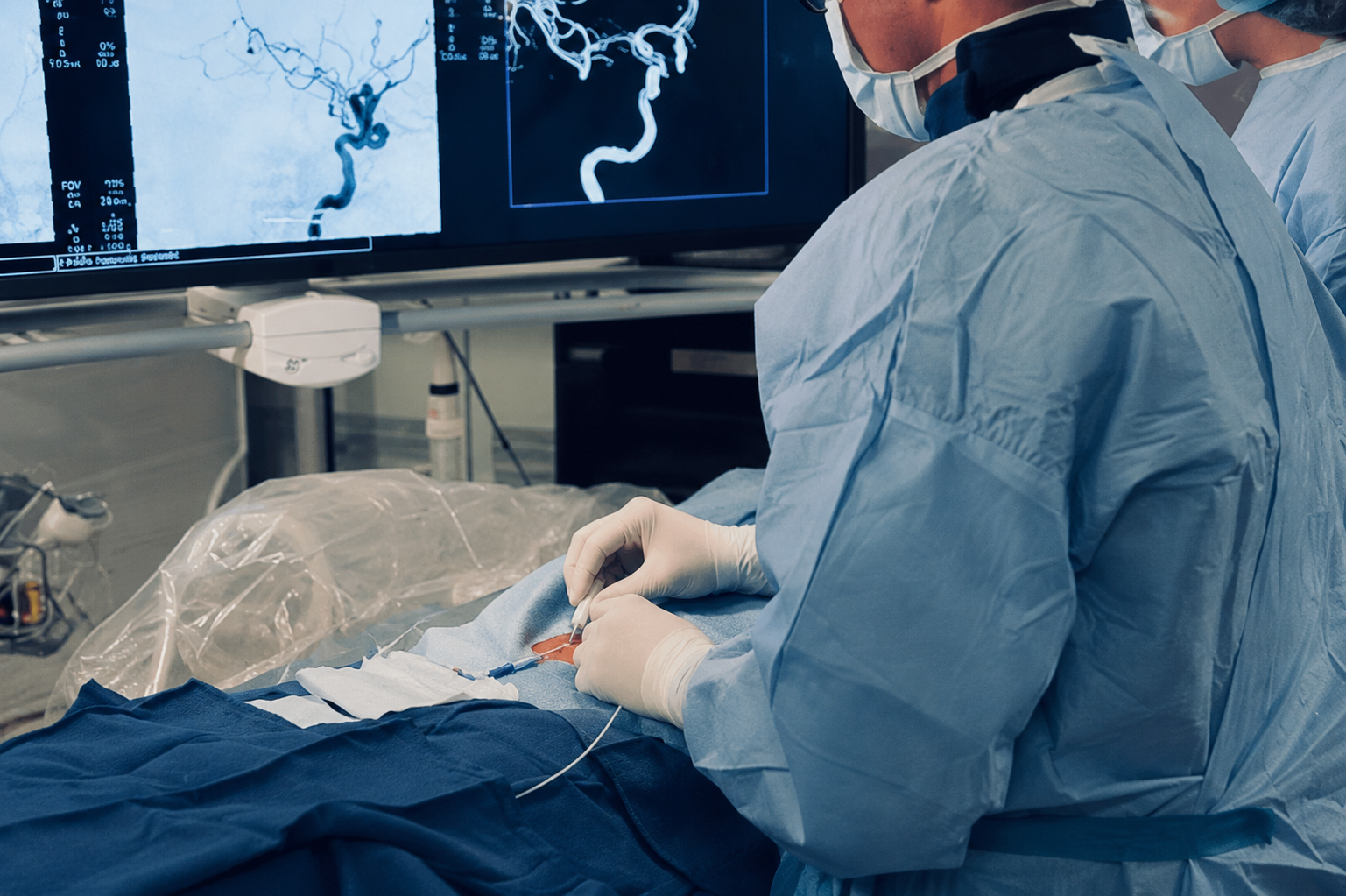
Neurointerventional Surgery & Endovascular Stroke
Expert Care, Structured Around Your System
CNS offers flexible engagement models and a full range of neurointerventional expertise, structured to meet hospitals where they are and help them build toward where they want to be.
engagement types
how we engage
Every healthcare system is at a different stage in its neurointerventional journey. Some are managing an immediate coverage gap. Others are building a program from the ground up. Many are somewhere in between. CNS was designed to meet systems at exactly that point, with the right level of support, the right expertise, and a structure that works within the realities of hospital administration and budget.
All CNS engagements are established through a professional service agreement that delineates the scope, duration, and specifics of the services provided. This ensures clarity for both parties from the outset and allows for a partnership that evolves as your system's needs change.
-
01 Short Term Staffing (Locum Tenens)
When a neurointerventional position opens unexpectedly, or when your system needs temporary coverage to maintain program continuity, CNS provides experienced subspecialists on a short-term basis. Locum engagements are structured to integrate seamlessly with your existing clinical and administrative framework, minimizing transition time and protecting the continuity of care your patients depend on.
Short-term coverage through CNS is not a placeholder arrangement. Every provider brought in through CNS meets the same standards of technical excellence and patient-first care that define our permanent partnerships. Your patients and your team receive the same quality of subspecialty expertise regardless of engagement duration.
-
02 Intermediate and Long Term Staffing
For systems seeking a sustained neurointerventional presence, CNS offers intermediate and long-term staffing arrangements designed to function as a true extension of your clinical team. These engagements go beyond coverage. They are structured partnerships in which CNS providers become integrated members of your stroke and neurovascular program, participating in quality initiatives, peer review, and the broader clinical culture of your institution.
Long-term engagements are particularly well suited to systems that have established a neurointerventional program but lack the volume or infrastructure to support a full-time employed subspecialist. CNS provides the continuity and depth of an in-house program at a cost-neutral price point, without the administrative overhead of direct employment.
-
03 Program Development Consultation
Building a neurointerventional or endovascular stroke program requires more than clinical expertise. It requires a clear understanding of infrastructure, equipment, staffing models, credentialing pathways, and the operational workflows that allow a program to function reliably at the highest level. CNS offers hands-on consultation to healthcare systems at any stage of program development, from initial feasibility assessment through full program launch.
Drawing on deep experience in academic and community settings, CNS consultants work directly with hospital leadership, neurology, neurosurgery, and cath lab teams to design programs that are built for sustainability. The goal is not simply to stand up a service line. It is to build a program that consistently delivers the outcomes your patients deserve.
-
04 Administrative and Clinical Oversight
Maintaining a high-performing neurointerventional program requires ongoing attention to quality metrics, clinical protocols, credentialing standards, and provider performance. CNS offers administrative and clinical oversight services for systems that want an experienced subspecialty partner engaged in the ongoing governance of their program, not just the delivery of care.
Oversight engagements are structured to complement your existing administrative infrastructure, providing subspecialty expertise at the program leadership level without displacing your internal teams. CNS brings the perspective of an academic-level program to the operational realities of the community setting, helping your system maintain excellence, manage risk, and continuously improve patient outcomes over time.
THE CNS DIFFERENCE
why cns
Choosing the right neurointerventional partner is a decision that affects patient outcomes, program reputation, and institutional resources. CNS was built on the belief that community and regional hospitals deserve the same caliber of subspecialty care available at major academic centers, delivered by providers who are not only technically exceptional but who are genuinely invested in the success of your program and the wellbeing of your patients.
CNS providers bring fellowship-trained expertise, board certification, and senior-level experience in neurointerventional surgery and endovascular stroke. Every engagement is structured to prioritize reliability, so your system can count on consistent, high-quality coverage without the uncertainty that often accompanies locum and consulting arrangements.
All CNS partnerships are established at a cost-neutral price point, meaning your system receives academic-level subspecialty expertise without the premium typically associated with it. We believe access to exceptional neurointerventional care should not be limited to the largest and most well-resourced institutions.
-
Ischemic and Hemorrhagic Stroke
Minimally invasive endovascular management of both ischemic and hemorrhagic stroke, including mechanical thrombectomy and hemorrhage intervention. Literature clearly demonstrates profound positive effects on survival and recovery.
-
Intracranial and Extracranial Steno-Occlusive Disease
Diagnosis and endovascular treatment of arterial stenosis and occlusion affecting intracranial and extracranial cerebrovascular circulation.
-
Brain AVMs and Dural Fistulas
Endovascular embolization of cerebral arteriovenous malformations and dural arteriovenous fistulas, including pre-surgical and stand-alone treatment approaches.
-
Spinal Vascular Malformations
Diagnosis and endovascular management of spinal arteriovenous malformations and fistulas affecting the spinal cord and associated vasculature.
-
Middle Meningeal Artery Embolization
Minimally invasive MMA embolization for the treatment of chronic and subacute subdural hematomas, an emerging alternative to surgical intervention.
-
Vertebral Augmentation
Vertebroplasty and kyphoplasty for the treatment of vertebral compression fractures, providing pain relief and structural stabilization with a minimally invasive approach.
-
Bone Biopsies and Disc Aspirations
Image-guided percutaneous biopsy and aspiration procedures for diagnosis of spinal and paraspinal lesions.
-
Preoperative Tumor Embolization
Endovascular embolization of hypervascular tumors prior to surgical resection, reducing intraoperative blood loss and improving surgical outcomes.
-
Pulsatile Tinnitus
Evaluation and endovascular treatment of vascular causes of pulsatile tinnitus, including venous sinus stenosis and arteriovenous malformations.
-
Cerebral Aneurysms
Endovascular treatment of ruptured and unruptured intracranial aneurysms, including coil embolization, flow diversion, and intrasaccular device placement.
-
Epistaxis
Endovascular embolization for the management of severe or recurrent epistaxis refractory to conservative measures.
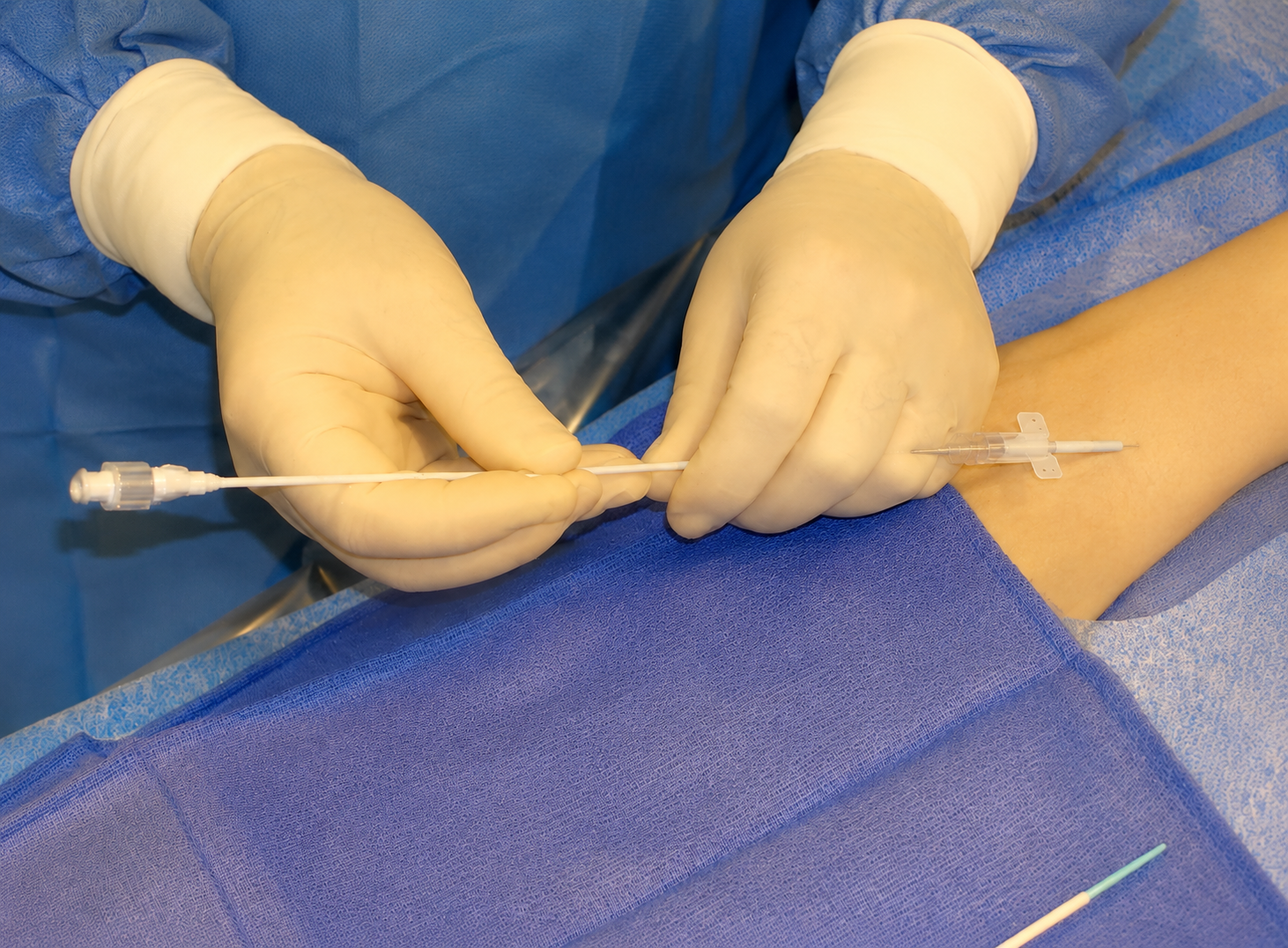
services
Neurointerventional Surgery & Endovascular Stroke
Ready to build a Stronger Program?
Whether your system needs immediate coverage or a long-term subspecialty partner, CNS is ready to discuss what a collaboration could look like. Reach out to start the conversation.